 Adm
Adm
For more than a decade, Sardine by K Club has been recognized as one of Bali’s standout fine dining destinations, especially known for its seafood-focused menu and sophisticated culinary presentation. However, after operating successfully for over 15 years, the restaurant is now redefining its identity. Rather than positioning itself purely as a fine dining seafood restaurant, Sardine by K Club is actively promoting itself as a versatile lifestyle venue capable of hosting a wide range of events and social gatherings.
Located in the vibrant Seminyak area of Bali, Sardine has long attracted both international tourists and local diners seeking high-end dining experiences. Now, by expanding its focus toward event hosting and lifestyle experiences, the restaurant is adapting to modern hospitality trends where venues are expected to offer more than just food — they must provide memorable experiences.
This strategic shift reflects broader global changes in the restaurant and hospitality industry, where experiential dining and multi-function venues are becoming key drivers of business growth.
The Evolution of Fine Dining Restaurants in the Modern Hospitality Era
Fine dining restaurants worldwide are experiencing transformation. Traditionally, fine dining focused almost exclusively on culinary excellence, service quality, and premium ingredients. Today, however, restaurants are evolving into experience-driven spaces that combine gastronomy, entertainment, social gathering, and lifestyle branding.
Modern fine dining venues increasingly offer:
- Private event hosting
- Wedding receptions
- Corporate gatherings
- Brand launch events
- Cultural and social celebrations
This shift is driven by changing consumer expectations. Modern diners often seek social experiences rather than just meals.
Why Restaurants Are Expanding Into Event Venue Services
Restaurants expanding into event hosting can create multiple revenue streams and increase brand visibility. Event-based services often generate higher profit margins compared to regular dining operations.
Event venue services help restaurants:
- Increase customer visit frequency
- Attract corporate clients
- Expand brand positioning
- Build long-term customer loyalty
- Maximize space utilization
This strategy is especially effective in tourist-heavy destinations like Bali, where demand for event venues remains consistently strong.
Seminyak as a Premium Lifestyle and Culinary Destination
Seminyak is one of Bali’s most famous lifestyle districts. Known for luxury villas, boutique hotels, beach clubs, and premium restaurants, the area attracts global travelers seeking high-end experiences.
Seminyak’s hospitality strength comes from:
- International tourist popularity
- Luxury lifestyle branding
- Strong culinary diversity
- Active nightlife and event culture
- High concentration of premium hospitality venues
For restaurants located in Seminyak, offering multi-purpose services helps remain competitive in a saturated market.
The Power of Experience-Based Dining in Modern Consumer Culture
Today’s hospitality industry is driven by experience-based consumption. Customers increasingly choose venues based on atmosphere, storytelling, and social experience rather than just food quality.
Experience-based dining includes:
- Unique architectural design
- Nature-integrated restaurant spaces
- Thematic dining concepts
- Interactive service experiences
- Social media-friendly environments
Restaurants that successfully combine culinary excellence with memorable experiences often outperform traditional dining-only establishments.
Bali’s Position as a Global Event Destination
Bali is not only a tourism hotspot but also a global destination for weddings, corporate retreats, influencer events, and brand activations. Many international brands and event planners actively choose Bali for premium events.
Factors supporting Bali’s event industry growth include:
- Strong international tourism reputation
- Scenic natural landscapes
- Luxury hospitality infrastructure
- Experienced event planning ecosystem
- Global accessibility via major airlines
Restaurants capable of hosting events benefit from Bali’s strong event tourism demand.
The Role of Architecture and Atmosphere in Venue Transformation
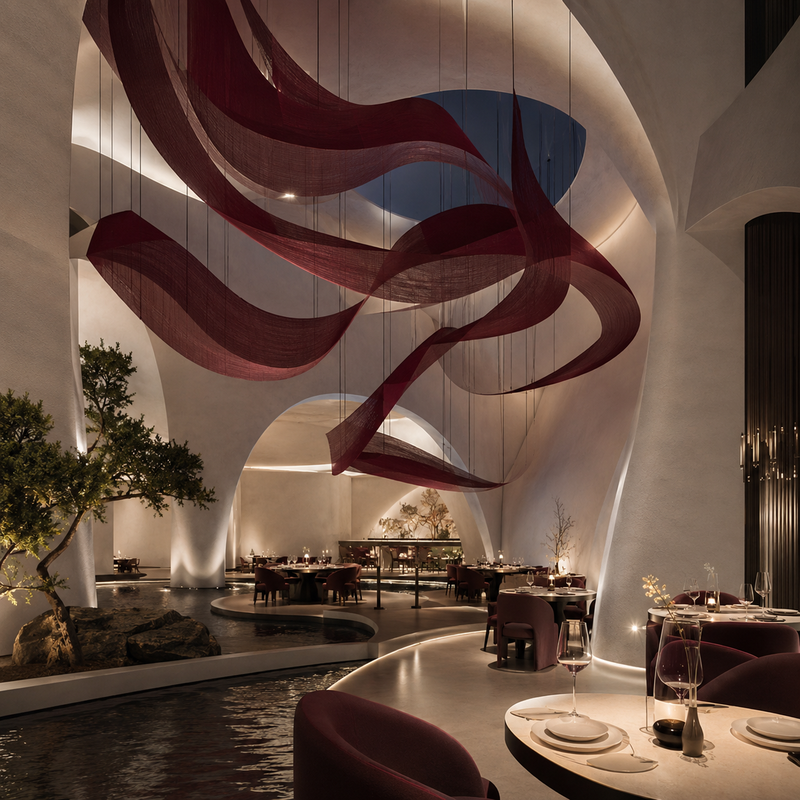
For restaurants expanding into event venues, architectural design and spatial flexibility become essential. Many modern hospitality venues are designed to support multiple event formats.
Venue design elements often include:
- Open-air dining concepts
- Flexible seating arrangements
- Scenic views for photography
- Indoor-outdoor event integration
- Custom lighting systems for events
Atmosphere plays a major role in attracting event organizers.
Seafood Dining as a Luxury Culinary Experience
Seafood remains one of the most associated cuisines with luxury dining, particularly in island destinations like Bali. High-quality seafood dishes often symbolize freshness, premium quality, and international culinary sophistication.
Premium seafood dining usually emphasizes:
- Fresh daily catch sourcing
- Sustainable seafood practices
- Minimalist cooking techniques to preserve flavor
- High-quality plating presentation
- Pairing with premium beverages
Maintaining culinary excellence remains essential even as venues expand into events.
The Importance of Brand Reinvention in Hospitality
Long-established restaurants often need to reinvent their brand positioning to stay relevant. Brand reinvention helps attract new customer segments while retaining loyal customers.
Brand reinvention strategies often include:
- Expanding service offerings
- Updating interior design
- Introducing new dining concepts
- Increasing digital marketing presence
- Collaborating with lifestyle brands
Social Media’s Influence on Restaurant Venue Strategy
Social media platforms have significantly influenced how restaurants position themselves. Venues that are visually appealing and event-friendly often gain higher digital exposure.
Social media friendly venues typically focus on:
- Photogenic interior design
- Scenic outdoor dining views
- Event lighting aesthetics
- Signature presentation dishes
- Influencer collaboration opportunities
Corporate Event Market Growth in Southeast Asia
Corporate events, brand launches, and private company gatherings are growing rapidly across Southeast Asia. Restaurants that can host corporate events gain access to premium client segments.
Corporate event venue demand often includes:
- Private dining rooms
- Presentation technology integration
- Flexible menu packages
- Professional event coordination
- Privacy and exclusivity
Sustainability and Modern Hospitality Expectations
Modern consumers increasingly care about sustainability. Restaurants expanding their brand identity often incorporate eco-friendly practices.
Sustainability initiatives may include:
- Sustainable seafood sourcing
- Local farm ingredient partnerships
- Waste reduction programs
- Energy-efficient operations
- Eco-friendly packaging
The Future of Hybrid Restaurant and Event Venue Concepts
Hybrid hospitality venues combining dining and event services are expected to grow globally. This model increases operational efficiency and customer reach.
Future hospitality trends may include:
- Multi-concept dining spaces
- Digital event integration
- Hybrid virtual and physical event hosting
- Personalized event dining packages
- Immersive themed dining experiences
The Importance of Customer Experience Personalization
Personalized customer experiences are becoming key competitive advantages. Restaurants offering customized event services often build stronger client relationships.
Personalization may include:
- Customized menu design
- Personalized event themes
- Dedicated event coordinators
- Flexible event package options
- VIP customer loyalty programs
Conclusion
After more than 15 years of operation, Sardine by K Club’s strategic move to expand beyond traditional fine dining into a multi-functional event and lifestyle venue reflects broader global hospitality trends. Modern customers increasingly seek immersive experiences that combine high-quality cuisine with social, cultural, and lifestyle engagement.
Located in the premium Seminyak area of Bali, the restaurant is well positioned to benefit from growing tourism, event demand, and lifestyle dining trends. By balancing culinary excellence with venue versatility, Sardine by K Club demonstrates how long-standing hospitality brands can evolve to meet changing consumer expectations.
As Bali continues strengthening its reputation as a global destination for luxury travel, dining, and events, hybrid restaurant-event venue concepts are expected to become an increasingly important part of the hospitality landscape.