 Adm
Adm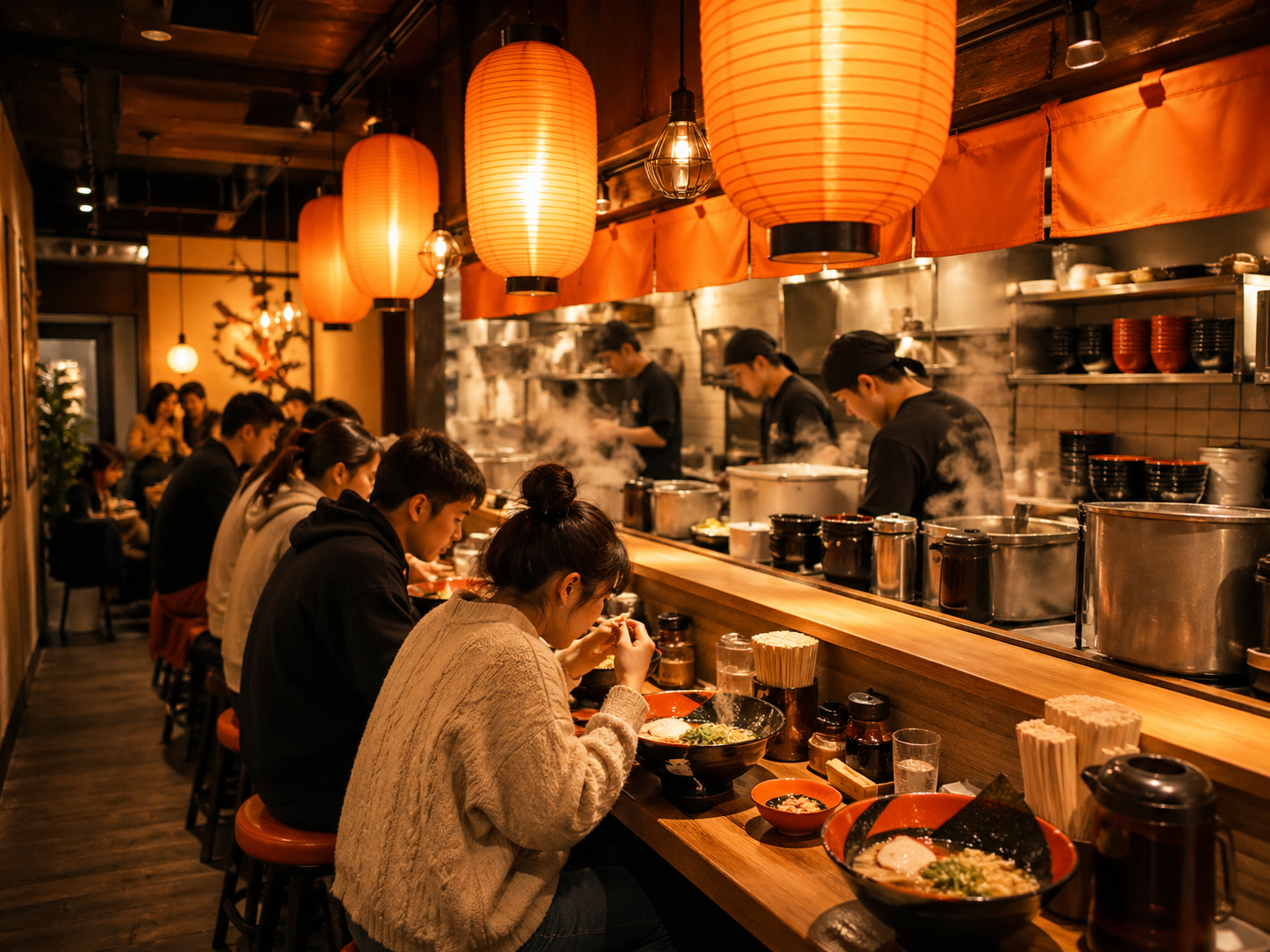
Surabaya culinary scene in 2026 reflects East Java’s cultural heritage while embracing contemporary restaurant concepts that have expanded the city’s dining options substantially. As Indonesia’s second largest city, Surabaya has developed distinctive food culture combining traditional East Javanese specialties with influences from Madurese, Chinese, Arab, and international culinary traditions. Both authentic local establishments and modern concept restaurants have contributed to vibrant dining landscape serving the city’s diverse population and increasing tourist visitors.
Signature Surabaya Dishes
Surabaya’s signature dishes include rujak cingur, rawon, lontong balap, semanggi Surabaya, tahu tek, and various other specialties that distinguish East Javanese cuisine from other regional Indonesian food traditions. Rujak cingur combining fruits, vegetables, and cow nose with shrimp paste dressing represents perhaps the most distinctive Surabaya dish appreciated by locals while challenging for uninitiated visitors. Long standing establishments specializing in rujak cingur have maintained customer loyalty through generations of consistent preparation.
Rawon dark beef soup flavored with kluwak nut creates distinctive black color and complex flavor profile that appears throughout East Java but particularly identifies Surabaya cuisine. Various establishments across the city serve quality rawon with regional variations reflecting specific family recipes and neighborhood preferences. Rawon Setan, Rawon Nguling, and various other classic establishments maintain customer bases seeking authentic preparation that matches memories of traditional versions from previous decades.
Street Food Culture
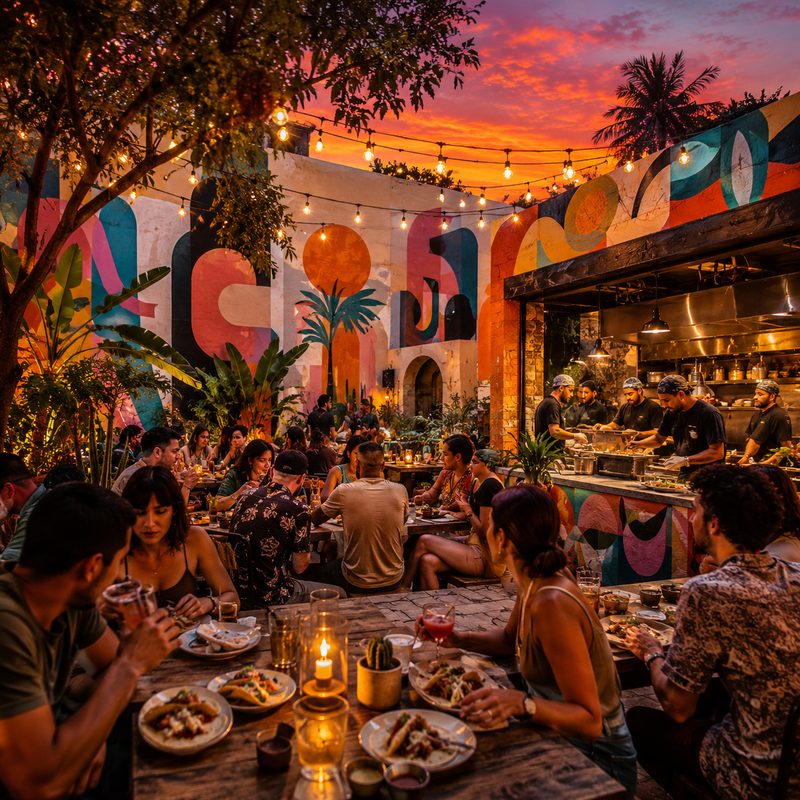
Surabaya street food culture provides accessible authentic dining experiences at locations throughout the city. Lontong balap served from small carts, bakso Malang variants, sate kambing from Madurese influenced vendors, and various other street food options remain essential components of daily Surabaya food culture. Some street food vendors have operated continuously for multiple generations becoming local institutions where quality consistency has built sustained customer loyalty.
Evening street food concentrations in areas like Jalan Walikota Mustajab, Kya Kya Kembang Jepun, and various traditional market surroundings serve both residents and visitors interested in experiencing Surabaya food culture. Tourism development has promoted specific street food areas while sometimes threatening authentic character through over commercialization. Balancing tourism development with cultural preservation remains ongoing consideration for Surabaya street food ecosystem.
Chinese Indonesian Restaurants
Surabaya has substantial Chinese Indonesian community contributing rich Chinese Indonesian restaurant tradition with establishments serving Cantonese, Hokkien, and Chinese Indonesian fusion cuisines. Restaurants in Kya Kya Kembang Jepun area have specialized in Chinese cuisine for decades with some establishments maintaining family ownership continuity through multiple generations. Dim sum, Chinese barbecue, noodle dishes, and various Chinese Indonesian specialties serve both Chinese Indonesian community members and Indonesian customers appreciating Chinese culinary traditions.
Mie ayam, bakmi, pangsit mie, and various noodle based dishes reflecting Chinese Indonesian heritage have become mainstream Indonesian foods with Surabaya establishments maintaining distinctive preparations. Some families have operated specific noodle restaurants for seventy years or longer with recipes unchanged across generations. These heritage establishments provide living culinary history alongside substantive meal experiences for customers valuing tradition and authenticity.
Madurese Cuisine Influence
Madura island’s proximity to Surabaya has resulted in significant Madurese culinary influence throughout Surabaya with establishments serving Madurese specialties. Sate madura, soto madura, bebek madura, and various other Madurese dishes appear throughout Surabaya restaurants and street food vendors. Some establishments specifically identify with Madurese heritage while others integrate Madurese influences into broader East Javanese menu formats.
Sate Klopo as specifically Surabaya variation of Madurese style sate featuring coconut marination demonstrates how Madurese traditions have been adapted within Surabaya culinary culture. Bebek sinjay and various other duck preparations reflect continued Madurese influence on Surabaya dining traditions. These culinary connections between Madura and Surabaya reflect broader cultural relationships extending through commerce, family connections, and migration patterns across generations.
Modern Restaurant Development
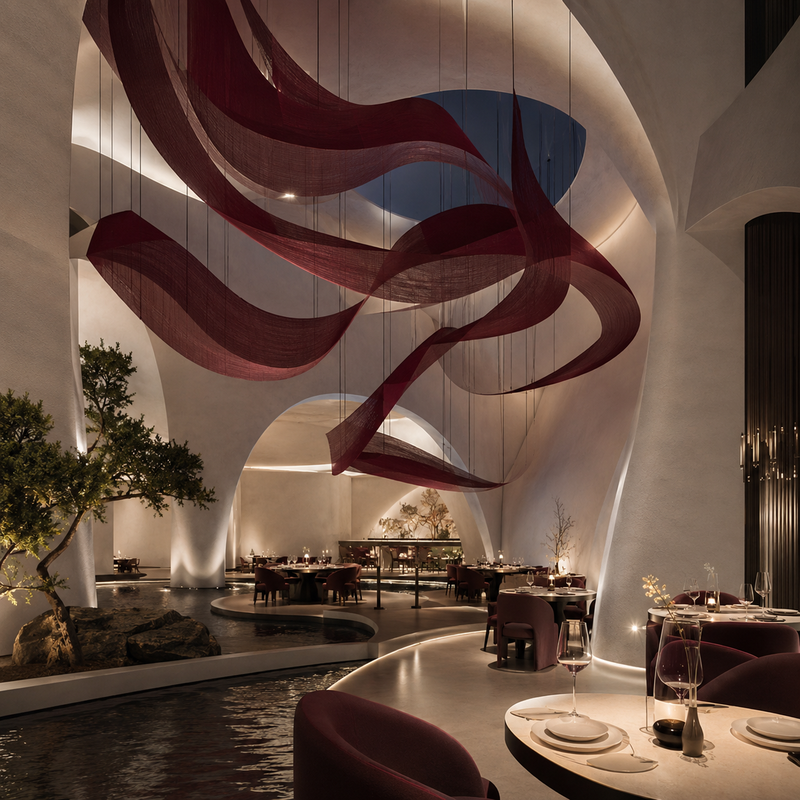
Modern restaurant concepts have expanded substantially in Surabaya with establishments opening in shopping malls, mixed use developments, and independent locations. Italian, Japanese, Korean, Thai, and various international cuisines have established successful restaurants serving Surabaya’s middle and upper class customers. Restaurant groups operating multiple concept venues have emerged providing operational expertise supporting diverse concept development.
Cafe culture has grown particularly strong in Surabaya with specialty coffee shops, patisseries, and breakfast focused establishments attracting young professional customers. Areas like Darmo, Graha Family, and Pakuwon have developed concentrations of contemporary restaurants and cafes serving nearby residential neighborhoods. These developments have diversified Surabaya restaurant options while maintaining presence of traditional establishments serving longer established preferences.
Hotel Restaurant Quality
Hotel restaurants in Surabaya have reached competitive quality levels with establishments at Shangri La Surabaya, JW Marriott Surabaya, Hotel Majapahit, and various other luxury properties serving quality cuisine in refined environments. These hotel restaurants serve both hotel guests and local customers seeking upscale dining experiences with reliable quality standards. Business entertaining, family celebrations, and special occasion dining have supported sustained demand for hotel restaurant services.
Executive chefs at major hotel restaurants have sometimes achieved individual recognition through cooking competitions, media appearances, and community involvement beyond their hotel responsibilities. Some hotel chefs have transitioned to independent restaurant operations bringing institutional expertise to local restaurant market. This talent movement between hotel and independent restaurants has supported overall quality advancement across Surabaya restaurant industry.
Seafood Dining Experiences
Surabaya’s coastal location provides access to fresh seafood with dedicated seafood restaurants serving fish, prawns, crab, and various marine specialties. Areas near Kenjeran Beach have traditionally offered seafood dining with both basic warung style establishments and more developed restaurants operating side by side. Some seafood restaurants offer market style selection where customers choose specific fish for immediate preparation providing transparency about seafood quality and freshness.
Kepiting or crab specialties have particularly strong representation in Surabaya with various establishments offering crab prepared in traditional Chinese Indonesian styles, spicy Indonesian preparations, and fusion approaches combining various influences. Cianjur style seafood, gurame preparations, and ikan bakar barbecue cooked fish appear across menus at seafood restaurants throughout Surabaya. Family group dining at seafood restaurants with large central platters for sharing remains popular format reflecting Indonesian communal dining values.
Dessert and Beverage Culture
Traditional Surabaya dessert culture includes es campur, es teler, kolak, and various other sweet preparations. Some establishments specialize specifically in dessert offerings with ice based preparations particularly popular during warm weather. Modern patisseries serving European style pastries have also developed customer bases alongside traditional dessert options providing diverse sweet offerings across different style preferences.
Beverage culture includes traditional jamu preparations from traditional vendors, modern coffee shops serving Indonesian origin beans, bubble tea franchises, and various other beverage formats. Local Surabaya beverage traditions including wedang preparations appear alongside international trends. Some establishments specifically celebrate traditional Indonesian beverages while others emphasize contemporary international beverage cultures including third wave coffee, specialty tea, and craft cocktail programs.
Culinary Events and Food Festivals
Surabaya hosts various culinary events and food festivals throughout the year celebrating local culinary traditions while introducing international influences. Surabaya Food Festival, various restaurant week programs, and specific dish celebrations bring culinary community together with consumer audiences. These events support restaurant industry visibility while providing entertainment value for food enthusiasts.
Competitive cooking events, chef demonstrations, and culinary education components at food festivals have elevated programming beyond pure consumption focus. Some events partner with culinary schools and industry associations creating professional development opportunities alongside public celebrations. Restaurant participation in food festivals provides marketing exposure while connecting establishments with potential new customers who discover restaurants through event participation.
Future Direction of Surabaya Restaurant Industry
Surabaya restaurant industry in 2026 demonstrates healthy balance between traditional establishment preservation and modern concept development. Continued economic growth, middle class expansion, and tourism development support restaurant industry expansion while cultural preservation ensures traditional dining options remain available alongside contemporary alternatives. Investment in restaurant education, service training, and industry association activity has strengthened overall industry capability.
Delivery platforms, online ordering, and reservation technologies have modernized restaurant operations while maintaining importance of in person dining experiences particularly at heritage establishments where atmosphere contributes substantially to customer experience. Surabaya restaurant industry throughout 2026 and beyond appears positioned for continued growth reflecting city’s importance within Indonesian culinary landscape while maintaining distinctive East Javanese character that differentiates Surabaya from other major Indonesian cities.