 Adm
Adm
Dining at a stylish restaurant is often associated with enjoyable moments, beautifully presented food, and memorable experiences. Many people choose restaurants not only for their taste but also for the visual presentation of dishes that look appealing and perfect for sharing on social media.detik.com
However, what was meant to be a pleasant “pretty dining” experience turned into an unexpected and troubling situation for a woman named Anastasia. Instead of enjoying an elegant meal and an attractive culinary presentation, her restaurant visit reportedly ended in a series of unfortunate events that attracted attention and sparked discussions among online communities.
Her story highlights how dining experiences—especially those that appear glamorous on the surface—can sometimes take an unexpected turn.
The Rise of “Pretty Dining” Culture
Over the past decade, dining culture has changed significantly. Restaurants no longer focus solely on flavor; presentation and atmosphere have become just as important.
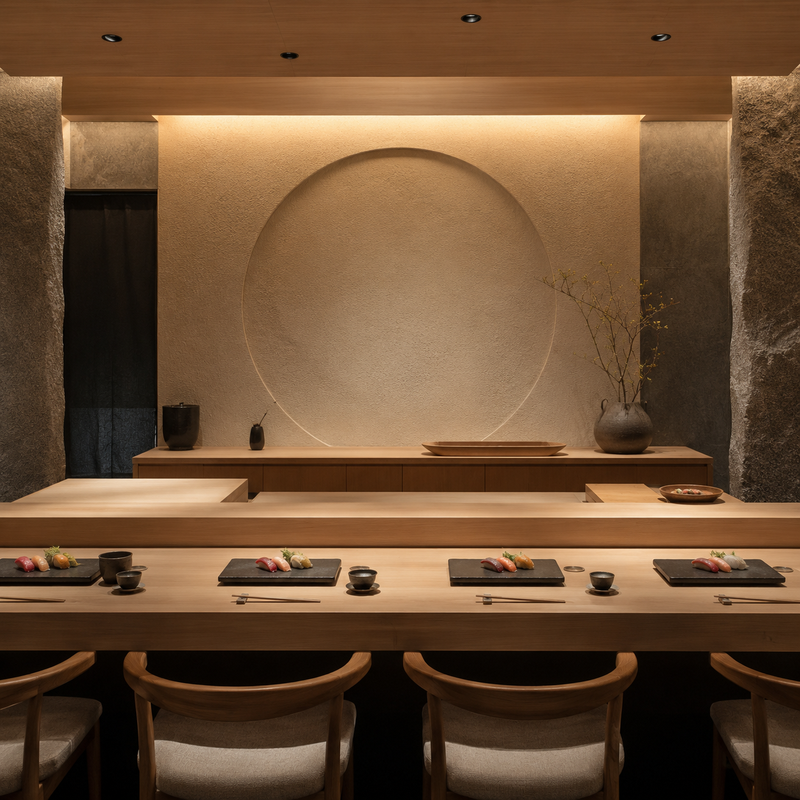
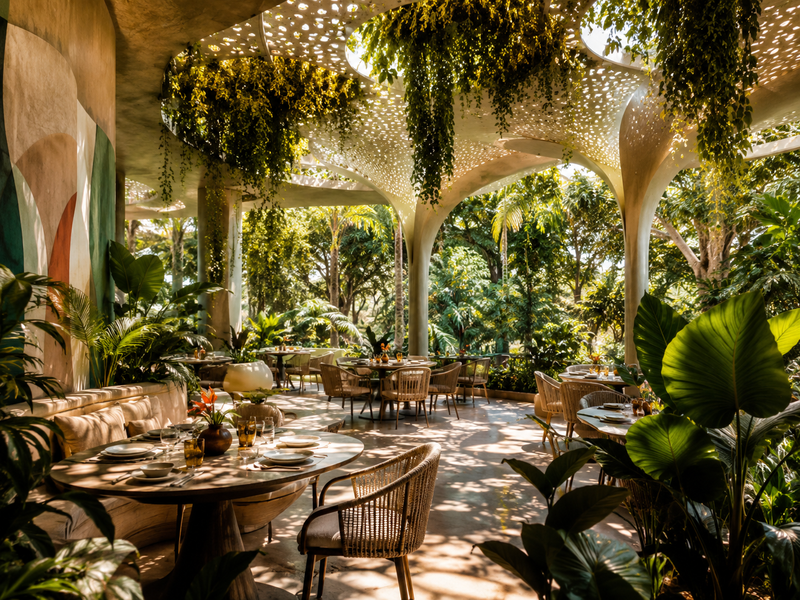
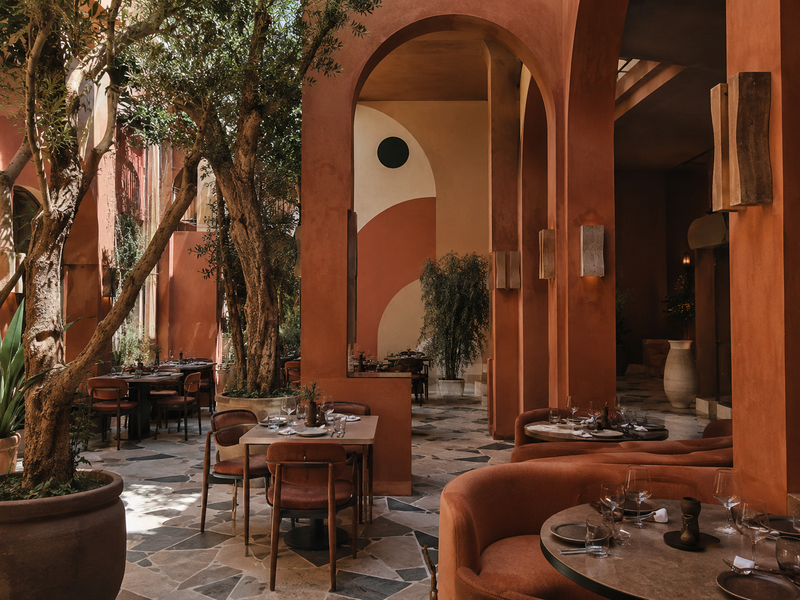
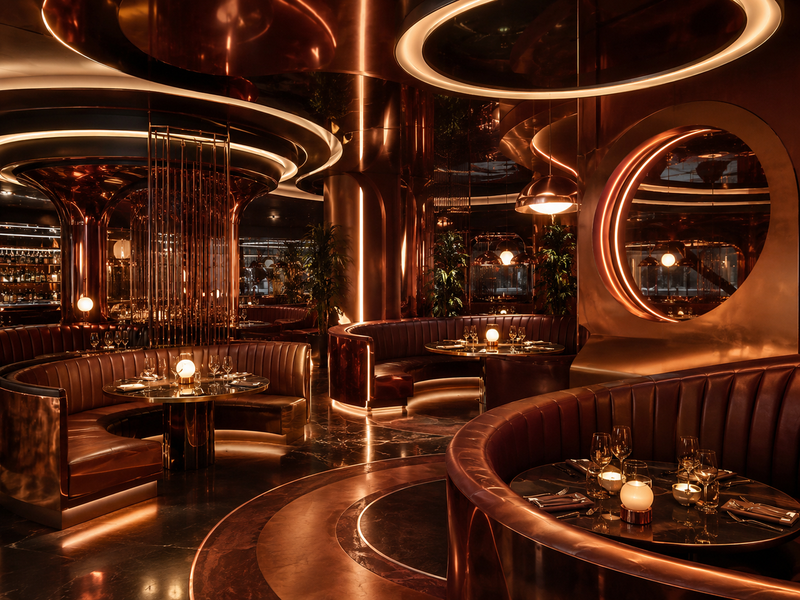
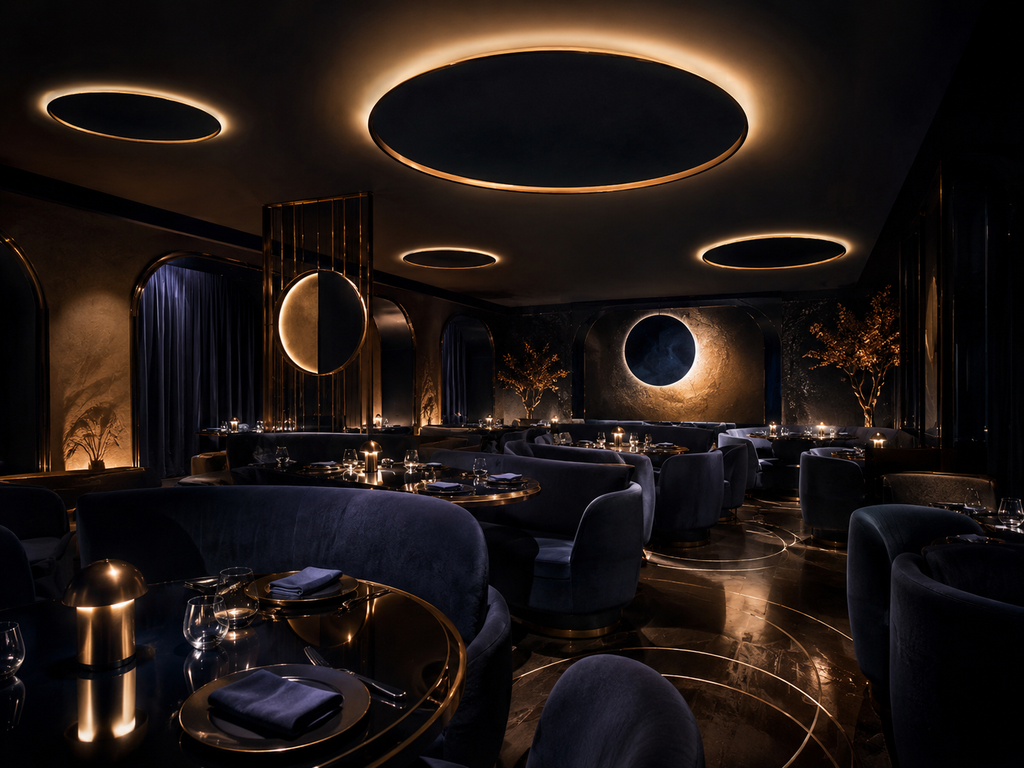
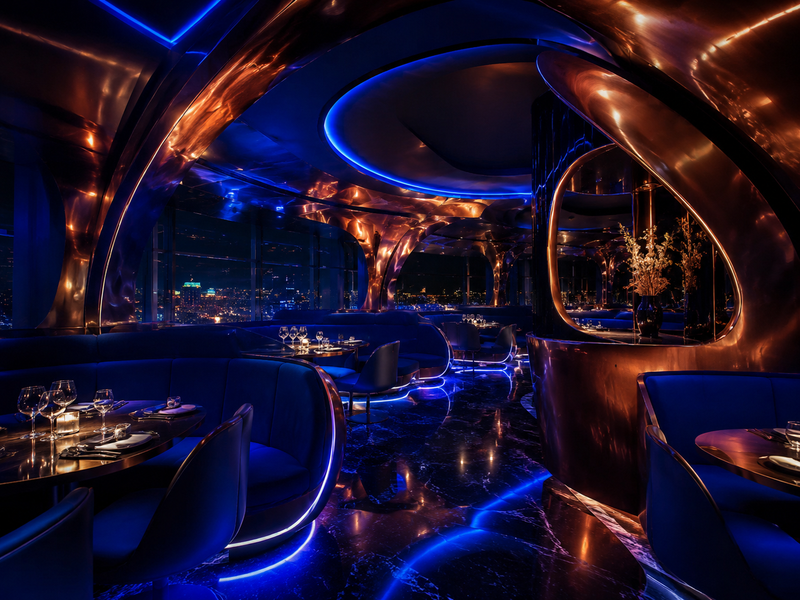
The concept of “pretty dining” refers to the experience of enjoying visually appealing dishes in aesthetically designed spaces. Restaurants carefully craft their menus and interiors to create a visually pleasing environment.
Some elements that contribute to this trend include:
- artistic plating techniques
- colorful and decorative ingredients
- elegant table settings
- stylish restaurant interiors
- lighting designed for photography
Social media platforms such as Instagram and TikTok have amplified the popularity of visually attractive dining experiences.
Many diners now seek restaurants where meals are not only delicious but also visually captivating.
Anastasia’s Anticipated Restaurant Visit
For Anastasia, the decision to visit the restaurant was likely motivated by the same excitement many diners feel when trying a new culinary destination.
Restaurants that specialize in visually appealing dishes often attract customers who want to experience something unique.
These establishments frequently market their menus as artistic creations that combine taste with presentation.
The expectation is that guests will enjoy both the aesthetic beauty and the flavor of the food.
Anastasia likely arrived at the restaurant expecting a pleasant outing, perhaps hoping to enjoy a relaxing meal while experiencing the restaurant’s creative menu.
However, events during the visit reportedly did not unfold as expected.
When Expectations Do Not Match Reality
In the world of hospitality, customer expectations play a crucial role in shaping the dining experience.
Restaurants that promote visually stunning dishes create high expectations among customers.
When those expectations are not met, the disappointment can be particularly strong.
For Anastasia, the experience that was supposed to be enjoyable reportedly turned into an unpleasant situation.
While the exact details of the incident vary depending on accounts, it serves as an example of how even well-designed dining environments cannot guarantee a perfect experience.
Unexpected issues can occur in any restaurant, regardless of its reputation or presentation style.
The Role of Presentation in Modern Dining
Food presentation has become a major factor in modern culinary culture.
Chefs often treat dishes as works of art, arranging ingredients carefully to create visually striking compositions.
This approach is inspired by fine dining traditions but has now spread to casual restaurants and cafes.
Beautiful plating can enhance the perception of flavor because diners often associate visual appeal with quality.
However, presentation alone cannot replace other important aspects of dining.
Key factors that still determine a successful restaurant experience include:
- food safety
- ingredient freshness
- proper cooking techniques
- attentive service
- cleanliness and hygiene
When any of these elements fall short, even the most visually appealing dish cannot compensate for the overall experience.
Social Media and Restaurant Experiences
The story of Anastasia gained attention partly because of how quickly such experiences can spread online.
Today, customers frequently share their dining experiences through reviews, photos, and videos.
A single story can reach thousands—or even millions—of viewers within a short period.
This phenomenon has transformed how restaurants interact with customers.
Positive experiences can generate valuable publicity, while negative incidents can quickly affect a restaurant’s reputation.
For diners like Anastasia, sharing a story about a disappointing experience may serve as a warning to others or as a way to express frustration.
Customer Expectations in the Digital Era
The influence of social media has raised the expectations placed on restaurants.
Customers today often research dining destinations before visiting them.
They look at photos, reviews, and ratings to determine whether a restaurant is worth trying.
When restaurants advertise themselves as offering beautiful dishes and luxurious dining experiences, customers expect those promises to be fulfilled.
If the reality does not match the promotional images or descriptions, diners may feel misled.
This is why authenticity and transparency have become increasingly important in the restaurant industry.
The Importance of Food Safety
Although the concept of “pretty dining” focuses heavily on aesthetics, food safety remains the most critical element of any dining experience.
Restaurants must follow strict standards to ensure that meals are prepared and served safely.
These standards typically include:
- proper storage of ingredients
- maintaining hygiene in kitchens
- monitoring food temperatures
- training staff in sanitation practices
Food safety regulations exist to protect customers from health risks.
When these standards are followed consistently, restaurants can provide both attractive and safe dining experiences.
Lessons for Restaurants
Incidents like Anastasia’s experience highlight several important lessons for restaurant operators.
First, visual presentation should complement—not replace—quality and safety.
Restaurants that prioritize aesthetics must also maintain high standards in food preparation and service.
Second, customer feedback should be taken seriously.
When diners report negative experiences, restaurants can use that information to improve their operations.
Third, transparency and accountability help build trust with customers.
Addressing issues openly can demonstrate professionalism and commitment to improvement.
Lessons for Diners
While restaurants are responsible for maintaining quality and safety, diners can also take steps to protect their own dining experiences.
Some helpful practices include:
- reading customer reviews before visiting a new restaurant
- checking cleanliness and hygiene when arriving
- paying attention to ingredient freshness and food temperature
- informing staff immediately if something seems unusual
Being attentive during a meal can help prevent minor issues from becoming larger problems.
The Psychology of Dining Experiences
Dining is not only about satisfying hunger; it also involves emotional and psychological elements.
Atmosphere, presentation, and service all influence how people perceive their meals.
A beautifully presented dish can create excitement and anticipation.
However, if something goes wrong, the disappointment may feel more intense because the initial expectations were so high.
This psychological contrast explains why stories like Anastasia’s resonate with many people.
They remind us that appearances can sometimes be deceiving.
The Balance Between Aesthetics and Authenticity
Modern restaurants often strive to balance visual appeal with authenticity.
Customers appreciate dishes that look beautiful, but they also want meals that are satisfying, safe, and genuinely flavorful.
Successful restaurants understand that presentation should enhance the dining experience rather than overshadow the fundamentals of cooking.
When aesthetics and quality are combined effectively, diners can enjoy meals that are both visually stunning and delicious.
Conclusion
The story of Anastasia’s “pretty dining” experience serves as a reminder that restaurant visits can sometimes take unexpected turns.
While visually appealing dishes and stylish dining environments attract many customers, they cannot replace the essential elements of quality, safety, and attentive service.
As dining culture continues to evolve in the age of social media, both restaurants and customers play important roles in ensuring positive experiences.
Restaurants must maintain high standards beyond presentation, while diners should remain mindful of the factors that contribute to a safe and enjoyable meal.
Ultimately, the best dining experiences are those where beauty, flavor, and professionalism come together to create lasting memories for guests.